Rethinking online privacy, safety, and student autonomy
Zak Kolar | Digital Learning Teacher
Why do we protect student privacy/data?
We protect students districts from harmliability.
FERPA
Directory Information
Information that isn't considered harmful or an invasion of privacy if disclosed
Directory Information
Outdated assumptions
- Distributed in print
- Must be read manually
- Disposed of or forgotten
- Reproduction requires time and physical access
Modern realities
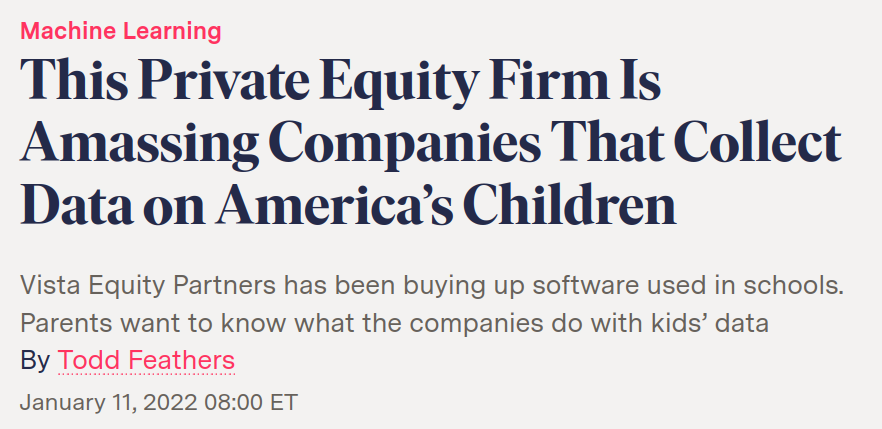
- Distributed electronically
- Electronically searchable
- Stays online indefinitely
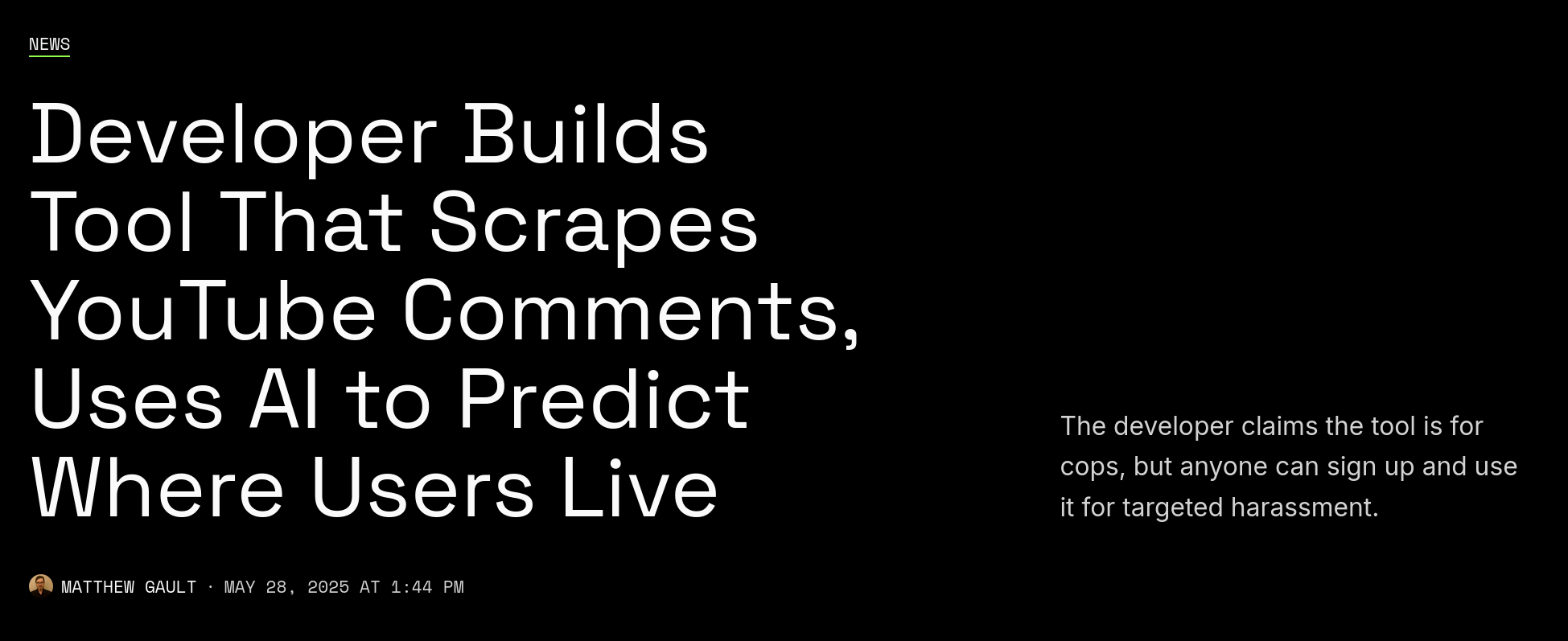
- Automated bots can scrape, save, and consolidate
Stranger Danger
Stranger Danger
Outdated assumptions
- Strangers who intend physical harm
- Partially obscured information is safe
- Manually browsing for information
Modern realities
- Classmates/peers, malicious family members, online "trolls"
- People who know students can work with limited information
- Search tools, AI, and image recognition tools available
Scenarios
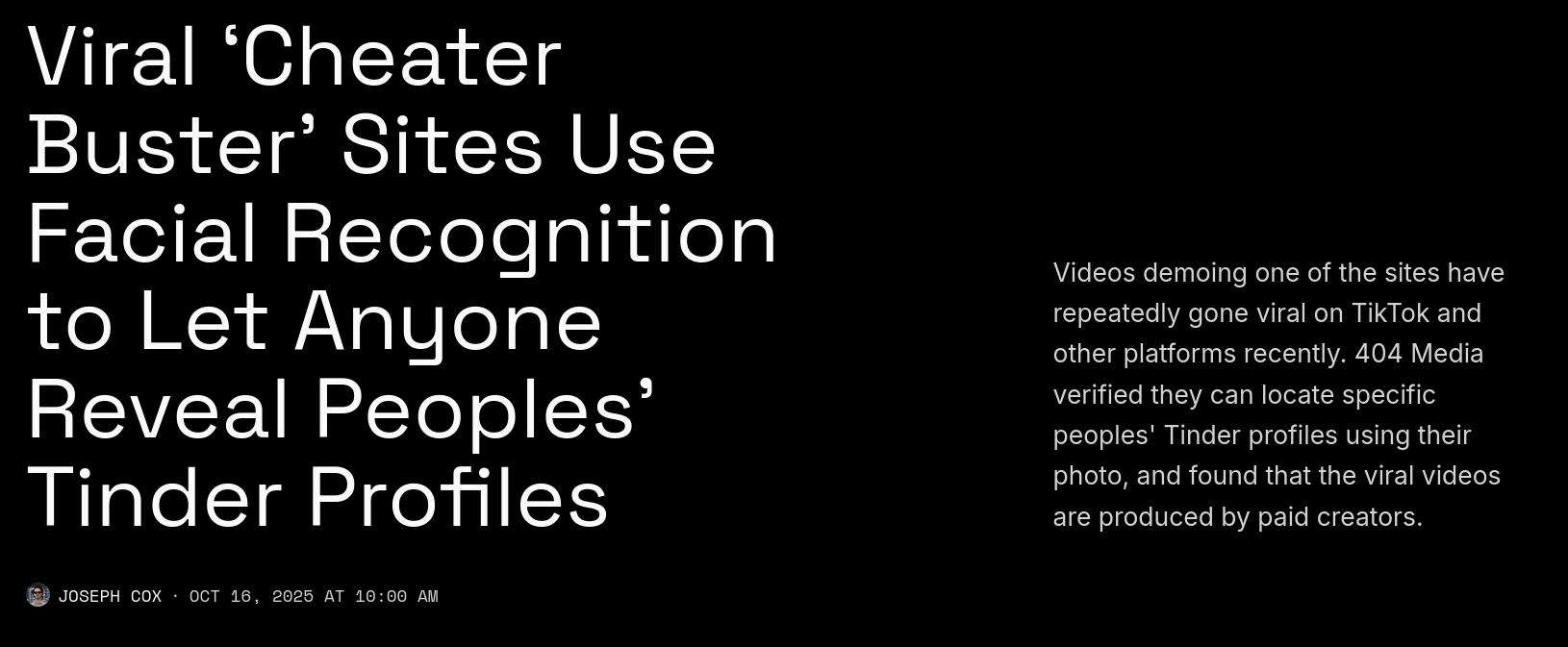
Face Searches


Source: FaceOnLive
Forever storage
Two matches were removed from the original sources years ago.
They remain searchable indefinitely.
Still recognizable
Three matches were taken when I was age 14-17.
They still match a current photo 12-15 years later.
Group matches


Public providers
Privacy Protection
Users cannot search for other people or minors.
I agree to follow these rules
Opting out
- Usually requires scan of government ID
- Must be done separately for each website
- Only helpful to those who know the sites exist
- Doesn't remove original images
Clearview.ai
30 billion images
Fined or banned from...
- The Netherlands
- Italy
- Greece
- France
- Germany
- Austria
- Britain
No opt-outs
(Except where required by state law)
(Massachusetts is not one of those states)
Banned from commercial use in U.S.
(Until terms of settlement expire in 2027)
Federal Government Contracts
| Date | Agency | Contract value |
|---|---|---|
| September 5, 2025 | Department of Homeland Security: Immigration and Customs Enforcement |
$9,225,000 |
| June 23, 2025 | Department of Homeland Security: U.S. Customs and Border Protection |
$30,000 |
| April 10, 2025 | Department of Justice: U.S. Marshals Service |
$95,000 |
| February 26, 2025 | Department of Justice: Federal Bureau of Investigation |
$407,000 |
| February 13, 2025 | Department of Justice: U.S. Marshals Service |
$40,000 |
| February 5, 2025 | Department of Homeland Security: Immigration and Customs Enforcement |
$2,287,500 |
| December 23, 2024 | Department of Defense: Department of the Army | $150,000 |
| September 3, 2024 | Department of Homeland Security: Immigration and Customs Enforcement |
$1,102,500 |
Source: Tech Inquiry public records
AI
Rethinking "personally identifiable" information
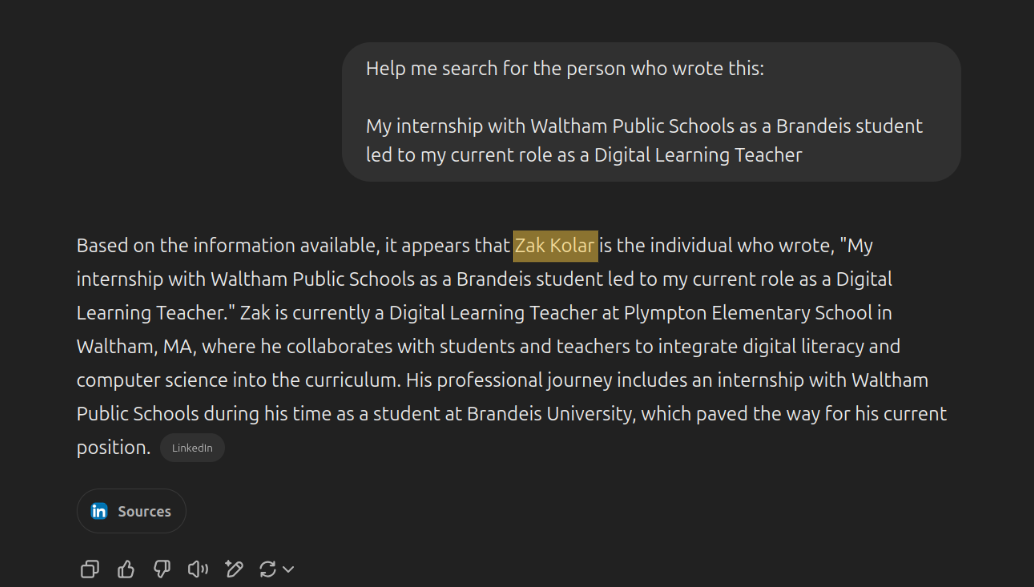
My internship with Waltham Public Schools as a Brandeis student led to my current role as a Digital Learning Teacher.

Prepare for technology we haven't seen